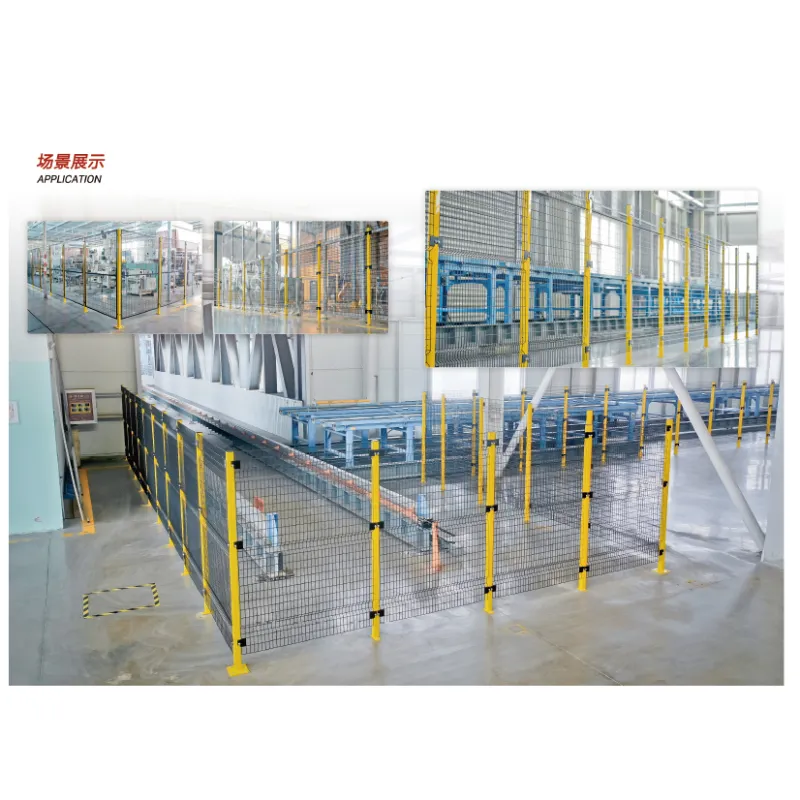
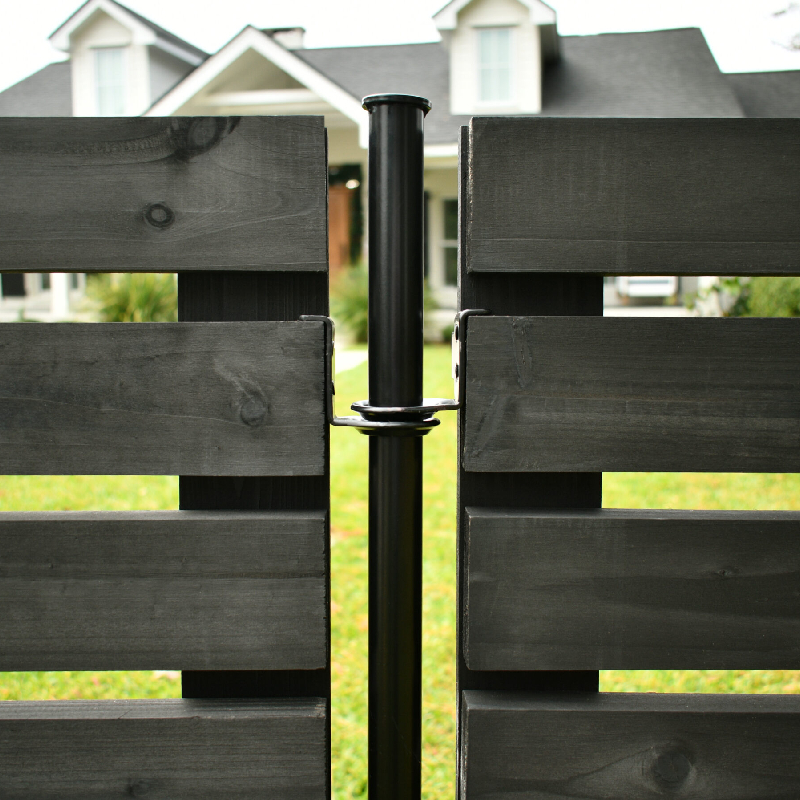
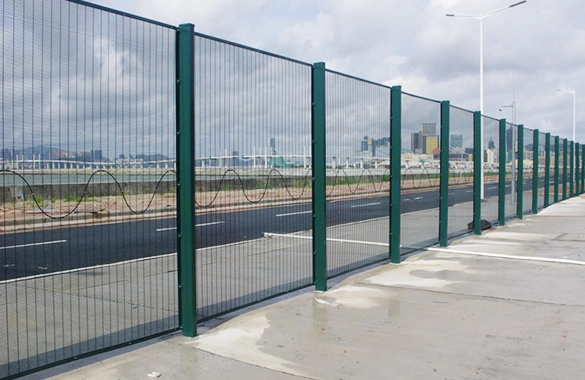
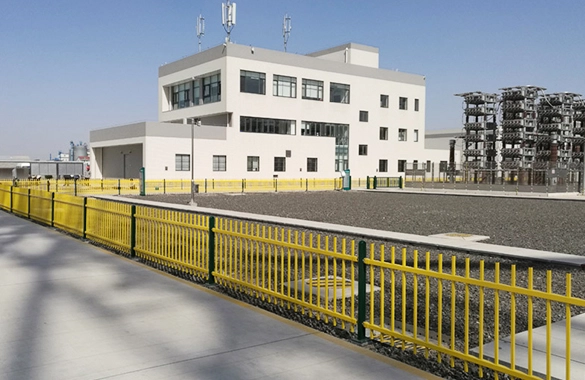
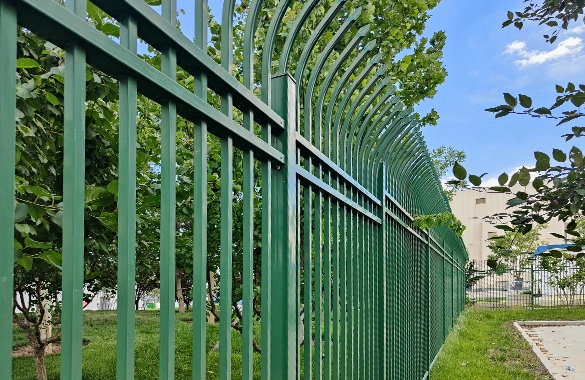
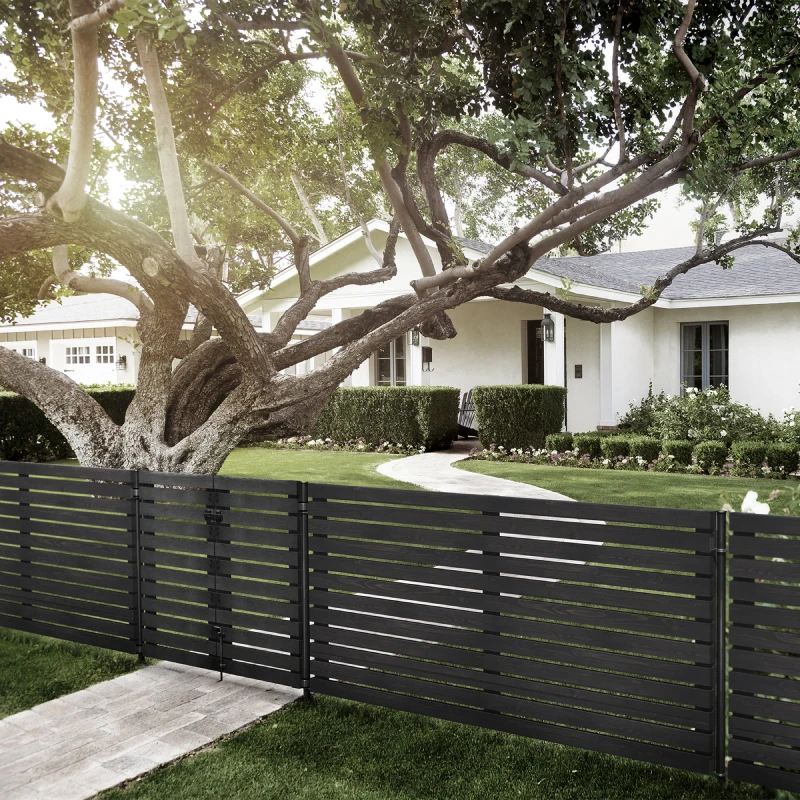
The Cage Partition A Conceptual Exploration In the realm of art and design, the notion of the cage partition transcends mere physical dividers; it embodies the intricate relationship between space, perception, and the human experience. Originally emerging from avant-garde art movements and architectural innovations, the cage partition serves as a framework that not only structures environments but also articulates deeper philosophical inquiries about confinement, freedom, and identity. Understanding the Cage Partition At its core, the cage partition can be described as a system of barriers that delineate space while allowing for visual and auditory connections between divided areas. Unlike traditional walls, which completely block off environments from one another, cage partitions often consist of materials like metal, glass, or wood, designed to create an illusion of openness. This transparency invites individuals to question the significance of boundaries and encourages interactions that might otherwise be stifled by solid walls. The concept derives its name from the resemblance to an animal cage, where the occupants are enclosed yet still able to observe and interact with the outside world. In many ways, it reflects a paradox of modern living—while we seek privacy and protection, we also crave connection and visibility. The cage partition thus serves as a metaphor for contemporary urban life, where individuals navigate through public and private realms simultaneously. Historical Context and Evolution The cage partition gained visibility in the late 20th century, particularly within the framework of minimalism and industrial design. Artists like Donald Judd and architects such as Richard Meier began to explore the dynamics of space, using innovative materials to create structures that challenged conventional norms. Their works prompted discussions about the role of form and function in creating environments that foster both solitude and community. With the rise of the open-plan concept in workplaces and living spaces, the necessity for flexible boundaries became apparent. Companies started to adopt cage partitions as a means to foster collaboration while still providing individuals with personal space . The popularity of this design element underscores a broader cultural shift towards valuing both collective experiences and individual needs. Psychological Implications cage partition The psychological implications of cage partitions are profound. They evoke feelings of being both enclosed and liberated, prompting reflection on one’s identity and the spaces one inhabits. In environments such as offices or schools, these partitions can reduce feelings of isolation while still providing a semblance of privacy. The ability to see and hear others can enhance social interaction, leading to increased creativity and productivity. Conversely, the partition can also serve as a reminder of confinement. For some, the visual reminder of barriers can provoke feelings of restriction, echoing the experiences of those confined by societal structures or personal circumstances. This duality invites us to examine our own experiences with boundaries—what they mean to us and how they shape our interactions with the world. Cultural and Artistic Expressions Cage partitions have also found their way into contemporary artistic expressions. Artists utilize these structures in installations that invite viewers to navigate through spaces that challenge their perceptions of boundaries. By engaging with the cage partition as both a physical and conceptual element, artists encourage audiences to explore themes of entrapment, liberation, and the interplay between the private self and the public persona. A prime example is the work of contemporary artist Ai Weiwei, who often integrates the concepts of confinement and freedom in his installations. By experimenting with materials and forms reminiscent of cage partitions, his work provokes discussions about human rights, social justice, and the often precarious nature of personal freedom in society. Conclusion The cage partition, as a multifaceted concept, offers rich insights into the nature of boundaries in both physical and metaphorical realms. It challenges us to reflect on the delicate balance between connection and isolation, freedom and confinement. As we continue to explore the spaces we inhabit—be they homes, workplaces, or collective public areas—we are invited to consider how these structures influence our experiences and our understanding of community and identity. In a world increasingly defined by division, the cage partition stands as a powerful symbol of the complexity of human existence, reminding us that even within the confines we construct, there exists a profound potential for connection and expression.